Anna Johnson’s long road to Ballhalla
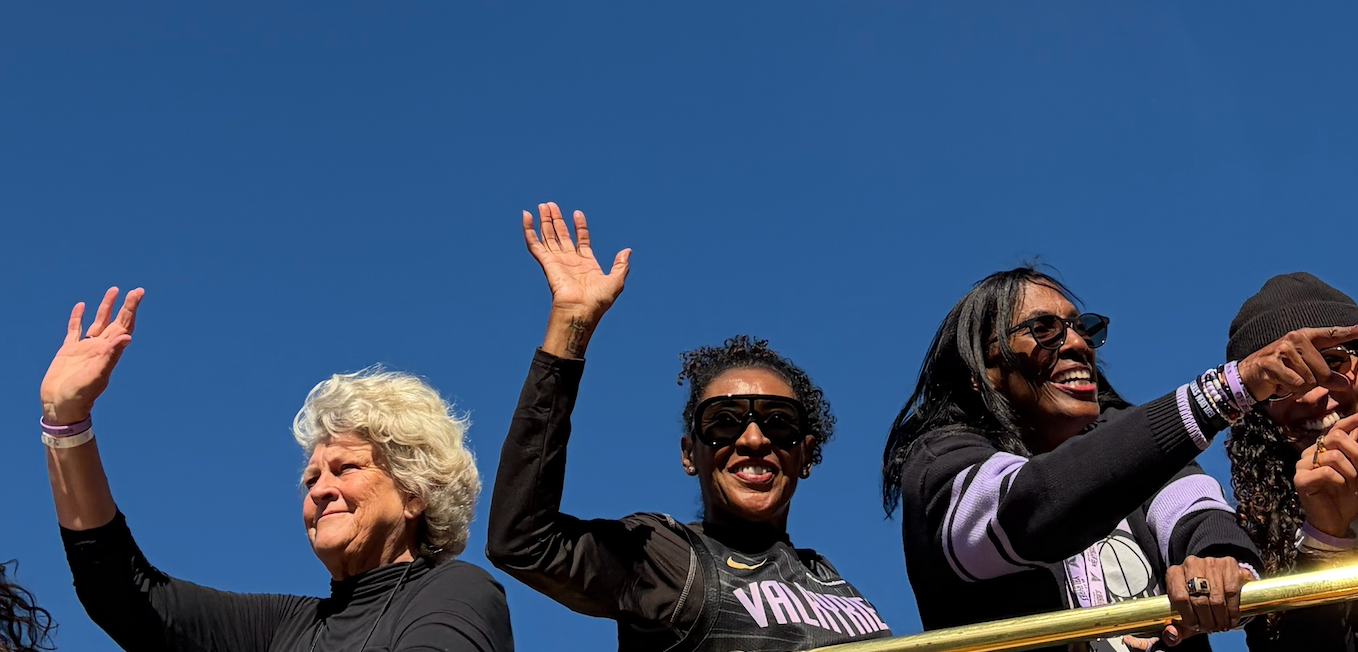
Nobody had a better view of the Golden State Valkyries’ championship parade than one of its unlikelier participants: Anna Johnson. The first pro women’s basketball player from Oakland had long been overlooked as a trailblazing sports figure. If Anna was known at all before the Valkyries arrived in the Bay Area, in 2025, it was as the coach who modernized the girls’ basketball program at her alma mater, Oakland Tech, back in the 1980s. After years of coaching and then working in management for FedEx, Anna had retired to become a full-time caretaker for her mother, Ruth Johnson, who died in 2024. As the Valkyries’ inaugural season approached, Johnson was feeling isolated, still holding the sharpness of her grief, longing for a stronger connection to the game she’d given so much of her life to.
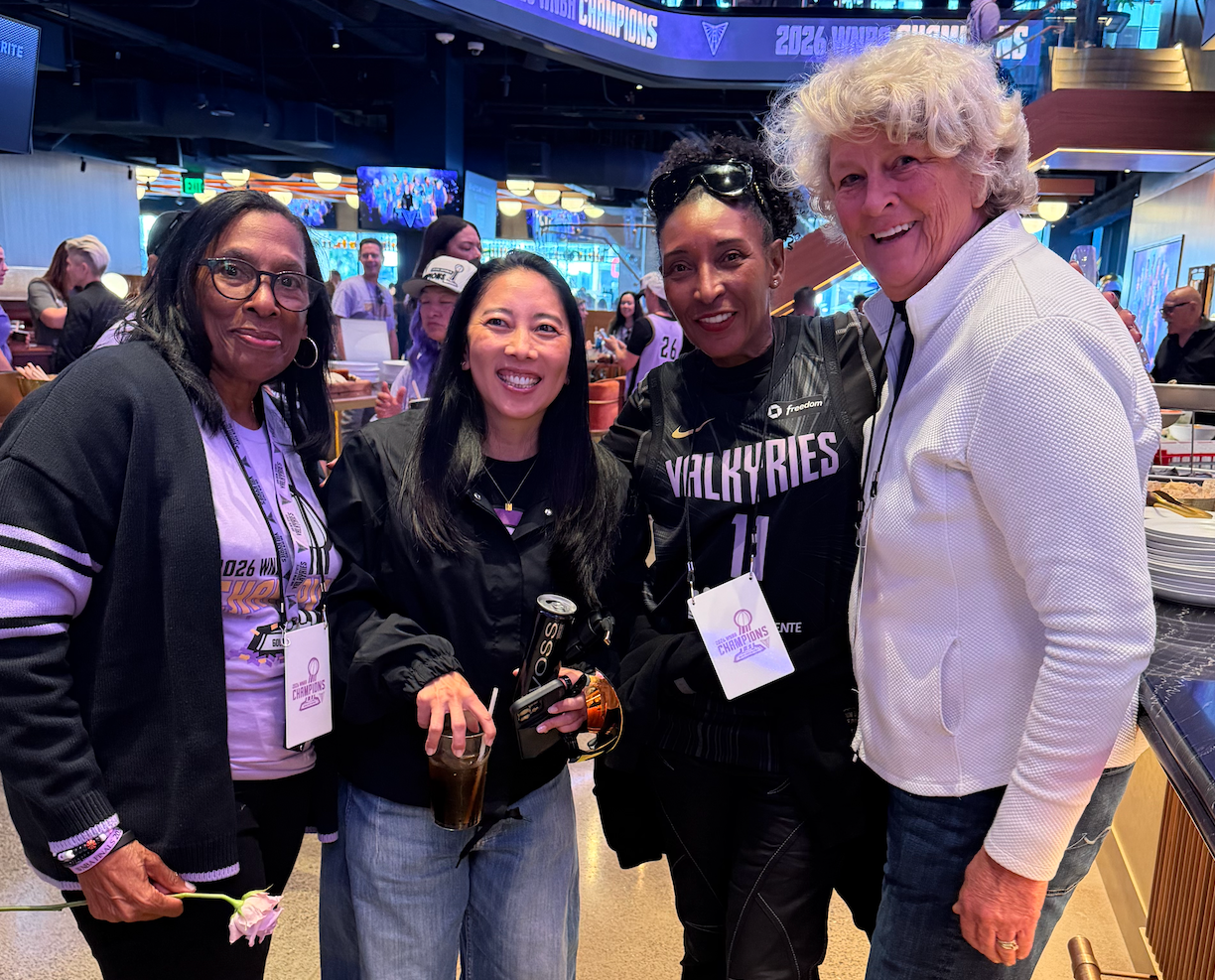
And now here she was, one week ago, riding atop a double decker bus, smiling and pointing, designated a “Keeper of the Realm” by the team as one of its cherished season ticket-holders. (She was the twenty-fifth person to place their name on the list for season tickets. She remembers that because twenty-five was her old jersey number.) Anna had brought company to the parade, too—a couple of her former teammates from the San Francisco Pioneers. The Pioneers, part of the Women’s Professional Basketball League, were the first pro women’s team in the Bay Area, lasting from 1979 to 1981. In many ways—not all of them good—they prefigured the WNBA of today. Alongside Anna were Anita Ortega (the Veronica Burton of her day, a tireless point guard who sacrificed her body for the team) and Cindy Haugejorde (a cross between Kiah Stokes and Janelle Salaün, with a mean outside shot). Their presence was quiet but touching, as if a piece of the Valks’ championship now belonged to them as well.
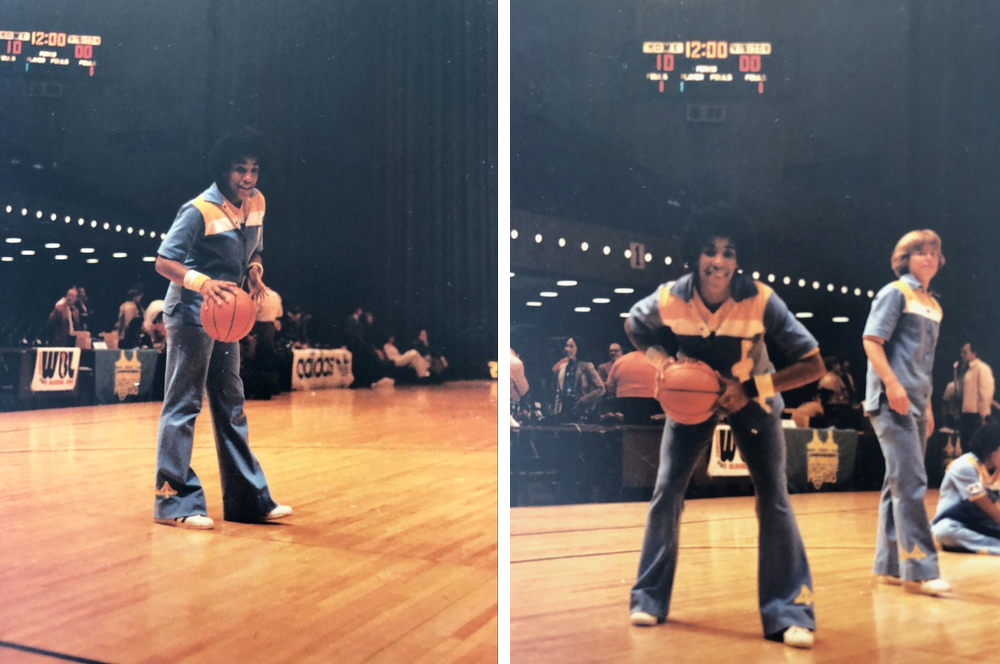
The return of pro basketball to the Bay Area has meant something like a comeback for Anna herself. Last year, I told her story for the Oaklandside, and soon after, Golden State invited Anna to bang the “GSV drum” before the first home game—no small honor, considering other drum bangers since then have included Megan Rapinoe, Dolores Huerta, Kristi Yamaguchi, and Too $hort. Amazon made a short documentary about her. She has become a sort of unofficial ambassador to the past for the Valkyries, through whom the team has established continuity with its under-appreciated forebears.
I spoke with Anna again a few weeks ago, before the Valkyries began their series against the Atlanta Dream in the WNBA Finals. This was a very different conversation from when we first met. Anna and I had become friends in the interim, grabbing coffees and meeting up at games, taking long walks by the Emeryville marina. This time, I wanted to ask her deeper, more complicated questions about the experience of having her history and the Pioneers’ history so suddenly exhumed. I wanted to talk to her in particular because the racism and misogyny she encountered during her playing days—and that ultimately undermined her career—had shown themselves to be very much alive in pro women’s ball today, as Caitlin Clark’s professional career has demonstrated. Anna talked frankly about her own experience as a player and now as an ambassador, and about what has changed and who she’s become, and about confronting the truths of women’s basketball both past and present.
\O/
Maya Goldberg-Safir: So, back in 2024, why exactly did you decide to trust me with your story?
Anna Johnson: Well, you’re a Bay Area kid. And I’m still one of those that thinks every Bay Area kid deserves a chance. I’m serious. If you had said that you’re a man from somewhere else, I’d have blew you off. You had talked to Musiette [Anna’s teammate], right? It took maybe five or six phone calls from Musiette. I think you must have told her you were from Oakland. And that’s when I said, “Oh, really? What’s she all about? Let me see if she’s for real.” And that’s how you came into my life.
I’m so grateful. What was it like to go from no one knowing your story to suddenly banging the GSV drum in an arena of 18,000 people?
It was about learning the history of me.
Yes! What do you mean?
Well, with the drum, it didn’t make me nervous. Through my family, I’m used to big moments. But in the background, I could hear a lot of people yelling my name, and that threw me off for a minute.
Like people’s voices you recognized?
Yes, like former players. You know how people have a distinct voice, you can hear it from afar, especially on a basketball court? I could hear them, but in a new way. After the game, I saw a few former players, and they were like, “Coach, we knew you played, but we didn’t know you played played!” And I said, “That wasn’t my time for me to tell you. My job was to coach you and get you ready.”
And that was just the beginning, huh? Now you’re like the mayor of Ballhalla.
I don’t know about that. But yes, I do know a lot of people. And I’ve gotten to know even more.
Back when you were playing basketball, was there a game that meant the most to you? That you most wanted to win?
I always wanted to win. You know when you’re playing the same team that’s constantly beating you, but then you get over that mountaintop and you beat them, and you beat them convincingly? And you did it as a team? That’s what I wanted.
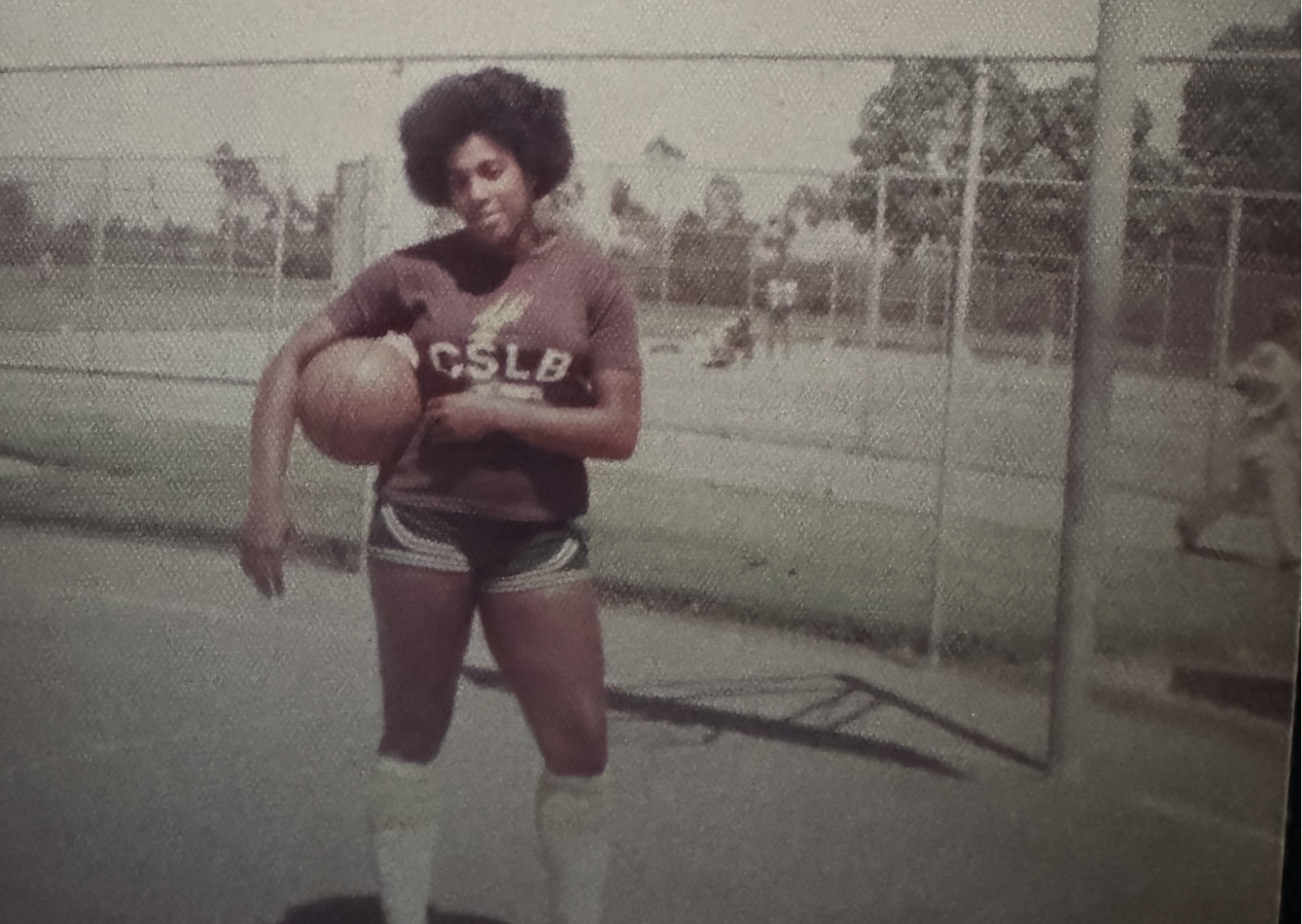
In college at Long Beach State, we beat USC. They had height, and they were good. And the day we played them, I was sick. Monica Havelka, may she rest in peace, she was the post. We would feed the post and she’d kick it back out and I’d shoot, even though the three-point line wasn’t there yet. But it must have been a Michael Jordan type of thing because I couldn’t miss. I scored 24 points that game, just throwing shit up. I remember feeling just dizzy. All I know is that after the game, I slept for two days.
That was one of the biggest upsets we had, probably ever.
And the fact that you both played and coached basketball at such a high level, how does that impact the way you watch the Valkyries?
When they announced the tickets to the Valkyries, I was totally excited. I was like: I’m about to be a superfan. Why did I want that? Because I didn’t want to coach anymore. I wanted to see everyone else get stressed out instead—that’s the fun part. And I wanted to see if coaching has changed, which it has not.
Terminologies have changed a little bit, but they’re the same. It’s just different words, but basketball is the same: the same movement, same cuts to the hoop. The game has not changed, just the way it’s formulated.
I still got my competitive juices flowing. I’m looking at this other team, thinking: Well, they look good, but they’re beatable. As a coach, I’ve been up against teams with superstars like Nat [coach Natalie Nakase] has, but I’ve looked at those teams carefully: If you only have two stars, I’m definitely going to beat you. If you got three and they’re good, it’s going to be a battle. That’s basically what I did. I got my kids to buy into defense, just like Coach Nat. That’s the way to win championships.
Now, I like seeing myself through the perspective of coaching. I get to see the game in the way I envisioned it myself, even at a higher level. It truly is a joy.
What kind of basketball were you taught, when you were young?
When I was in middle school, it was just changing over from six players to five, away from the “female version” of basketball. I was so excited about that. Before that, you had six players, but only two could go across half-court, sometimes only one. That was the “rover.” And yes, I was the rover—because I was fast. But then I was in PE class at Claremont Middle School and our coach was Lola Maynard, before she became Lola Smith. She was telling us about this new sort of basketball, and she was trying to get kids to play.
It’s so cool you were on the forefront of that change. Do you think Lola Maynard already knew the five-person game, or did she have to learn it?
Oh, without a doubt, she had to study it. And I think that’s why it became so fascinating to her. So then that became fascinating to me. I was goofy, but I was a listener. I was one of those kids that sat, not literally in the back, but in the background. But I’m the one that’s always listening. I didn’t talk much, but I was like, “Wow, this is so cool.” And then on top of that, my coach was my color. So I think that made a difference.
It’s amazing to think about how the game has been passed on, from one generation to the next. After middle school, did you ever again have a Black woman as coach?
Let me think. Oh, yes, I did. Her name was Wanda, I can’t remember her last name. She recruited me at Cal State East Bay. But there wasn’t enough substance [in the basketball scene] in the Bay. So that’s why I went running away to Los Angeles.
But at the time, a lot of the white coaches were into recruiting the Black kids because they were “athletic.” They would look at the Black kids as just being “athletic,” not smart. See, and that’s a difference.
It could be frustrating, seeing how we were treated. When I was at Cal State Long Beach, I knew that I was better than three of the power forwards on the team. When I got there, everyone knew it. It was clear, very vivid. And then we went down to a tournament in Texas, and I was sitting on the bench. Way too long. I called my mom and I said, “I’m ready to come home.”
[Interviewer’s note: According to my research, which is difficult to verify given a lack of documentation from Cal State Long Beach, I believe that Anna was one of the first three Black women’s basketball players to compete at the university.]
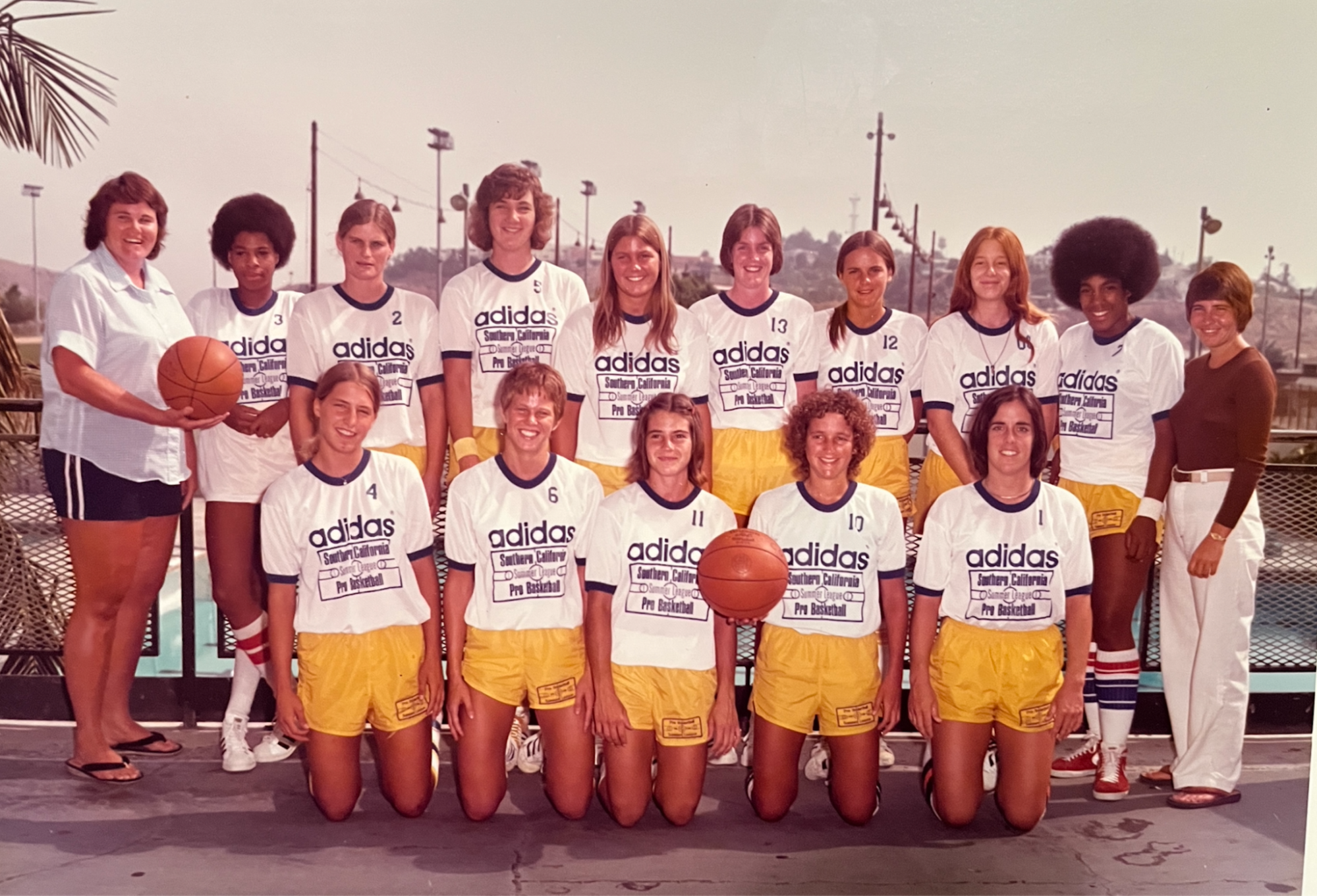
When I was coaching, I started telling the players about that. I said: “You need to think about things when coaches say you’re ‘very athletic.’ If that comes out in a sentence first, you gotta think: ‘But I have something else to offer.’” That was a big deal to me, getting the word out about that. And a lot of the younger kids, they still thank me to this day. “Coach, I’m glad you told me this because it’s a big difference: being seen as athletic and as a player with a high IQ.”
Let’s talk more about coaches in the WBL, the first pro women’s league. Many of the coaches lacked any experience with women’s basketball—did you witness that?
Yes. Many of the WBL coaches really were not coaches. These were guys just trying to make a quick fix, or wanted to build their status to coach one day in the NBA. And they got some coaches that half knew the game, but the owners on top wanted to control them, so they could only do so much.
Other coaches were there because they had problems in their previous positions, too. If you’re gonna hire that type of person, what does that say about the league? When you get older, you start thinking, “Hey, wait a minute, were we duped?” Things like that.
[The star coach of the WBL was Dean Meminger. Meminger came from the NBA and helped the New York Stars win a championship in the WBL before becoming the San Francisco Pioneers’ head coach—after Anna’s time with the team. He arrived in San Francisco, as one writer put it, “breathing fire, spewing expletives and with a cocaine habit”—the coke habit stalking him until his death in 2013.]
How else did you experience unfair treatment in the WBL?
In the WBL, it was more or less that white people were in charge. Everyone told them they were the best. But there were little mind games you’d play. Like: “I’m here to play basketball. That’s all I’m gonna do. I’m gonna show everyone that I can, and that I’m better than you. I’ll show you.”
It affected our relationships with each other. You have to walk a fine line, because you still want to have a relationship with that person. But it’s draining.
But some of the owners didn’t really want to have a great team. They just wanted a team. Or a tax write-off.
Meaning more than they cared about winning, they wanted their teams to look a certain way?
Right. Some of the white players weren’t that good, but they made the team. They wanted Barbie dolls coming up.
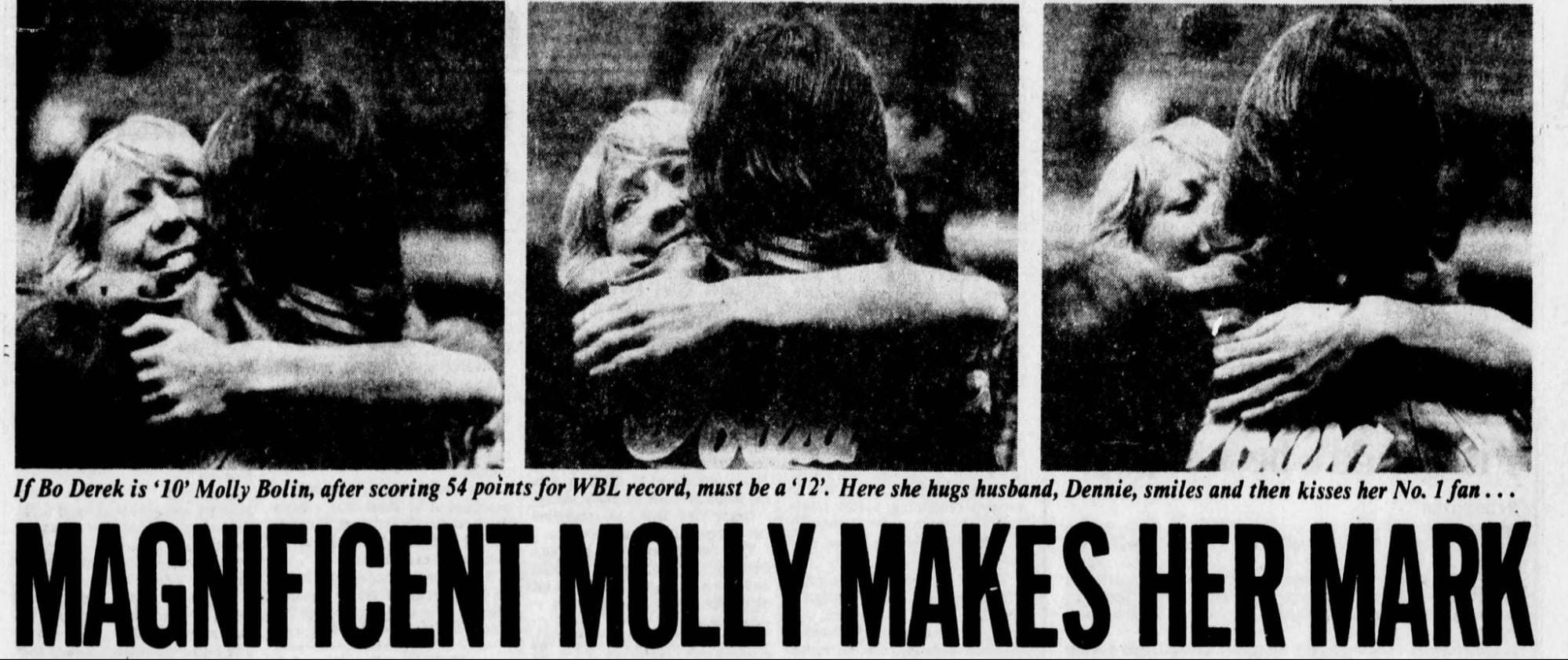
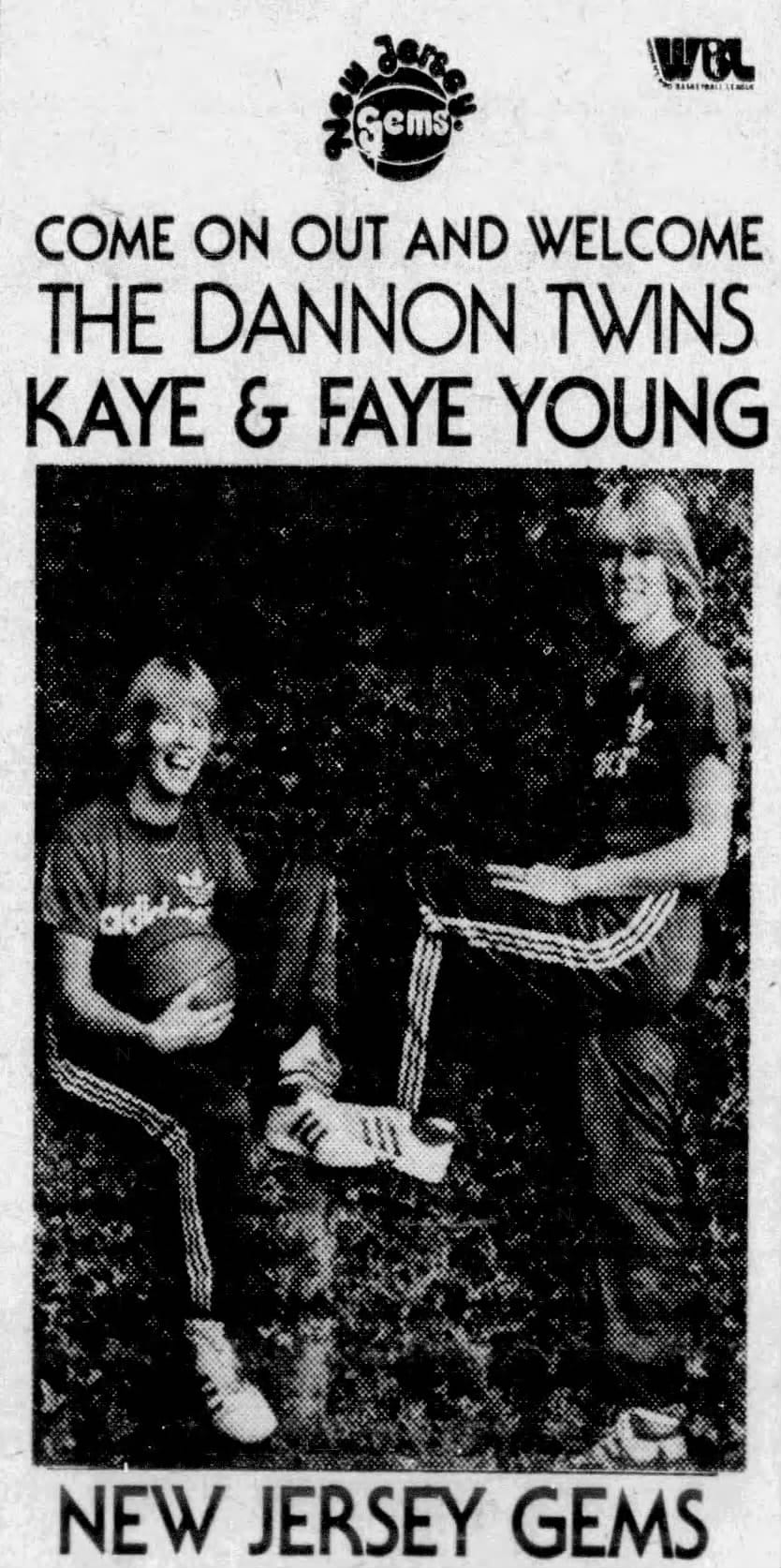
Left: Molly Kazmer would finish her career as the WBL’s all-time leading scorer, but on the front page of the Des Moines Register she was foremost an affectionate wife. Right: Kaye and Faye Young were two of the most famous players in the WBL, having been featured in a Dannon yogurt advertisement, but they were never the stars on the court.
How did you and your teammates navigate that—knowing you were clearly better than some of the players on the court?
When you ask me about that time, sometimes you really trigger me to start thinking about what really went on, like it had been in my dusty file cabinet in my brain.
The thing was, we didn’t push back because then we may never get to play. You can get blackballed easily. So we supported each other. You look at my AAU team, Anna’s Bananas, and you can see that there were two, maybe three Black players per team at the time. And each and every one of them was an amazing player. Each and every one could play. And it was the same way in the WBL, too.
It also meant that, at times, they were offering Black players much less money, right? I remember that the Pioneers offered you a very, very low salary.
So much so that it would have meant that I’d still be staying with my mother. But I’d gone away to college. I wanted to be independent. I like to make money, too, on my own.
Yeah. And it’s my understanding that some of the white players’ negotiations impacted your salary, too?
How did you know that?
I kind of pieced it together from what you told me.
Well, no doubt. No doubt. You know, you got the white moms and dads going and talking to the coaches—“If we make it so that Suzie is set up this way, can she play on the team?”—but I was running my own show. When I told my mom about getting cut, she told me, “There are bigger and better things out there for you, so don’t worry.”
[In 1979, Anna Johnson was offered a contract so low that it would not have covered her basic costs of living.]
But when I look back, I realize that it’s something I needed to move on from. Some of my former teammates don’t want to talk about their time in the WBL. It’s too painful. But my life goes on. Because if you don’t do that, you’re stuck.
I’m wondering about how that experience gives you insight into the racial dynamics in women’s basketball now. Like over the last few years, what’s it been like to see this obsession—particularly from white fans—with having Caitlin Clark be kind of the cultural face of the WNBA?
At this point, I think Caitlin sort of has a raw deal, but she put herself in that position. Because when something would come out in the news about fans treating other players in a way that was not right, she really needs to be the voice speaking out against it, not a soft voice. She needed to be firm and stick to what is true: This is our league. I honestly think if she did that, she would have more real WNBA fans now. She has a base of people supporting her, of course, but they are not basketball-oriented people. It’s people who have a lot of insecurities. Go see a therapist if you have insecurities, talk it out.
Yeah, you make a really good point. It makes me remember that once, I was kind of a Caitlin Clark fan—shoot, can you even say that in public these days, huh? But I really liked her game during her junior year at Iowa.
That’s the keyword, what you just said: her game. That’s when we didn’t really know her personality.
And she didn’t carry the kind of responsibility that she does now.
And she’s still young, right? I don’t know if she’s gonna be able to snap out of it, but she needs to get rid of that sidekick [Sophie] Cunningham. Because she is weighing it down. Look at Kelsey Mitchell—she’s clearly sick of it all.
Recently, the general manager of the Indiana Fever said that criticisms of their fanbase had “no basis in reality,” but soon after, another one of the team’s star players—Kelsey Mitchell, who is a Black woman—contradicted her, saying she does receive a lot of hate from fans in Indiana.
As she should have! Because what the general manager said is not true. You’re gonna sit up here and say everything’s fine? Where are you? What shell are you in? Let’s be realistic about it—you’re a white woman. You’re not standing up for your Black players, clearly.
Yeah. I’m curious how you’ve seen narratives in women’s basketball change over time—and other ways you’ve seen them stay the same. Now that the WBL is being memorialized more, what parts of that story are being told, and what’s still being left out?
It’s hard to memorialize because there wasn’t much of a story at the time. The league only lasted a few years. But you know, some players experienced massive things that don’t get talked about. Then again, from that perspective, when you aren’t the one being talked about, you sit back and listen more. So maybe those players were not the stars. But they definitely listened. And that’s how you learn.
At the same time, I’ve looked at the history books about athletes from Oakland, and there aren’t a lot of women in them. But I know there were great female athletes in my era. Like my rival, she went to Oakland High School. Her name was Debbie Johnson, not related.
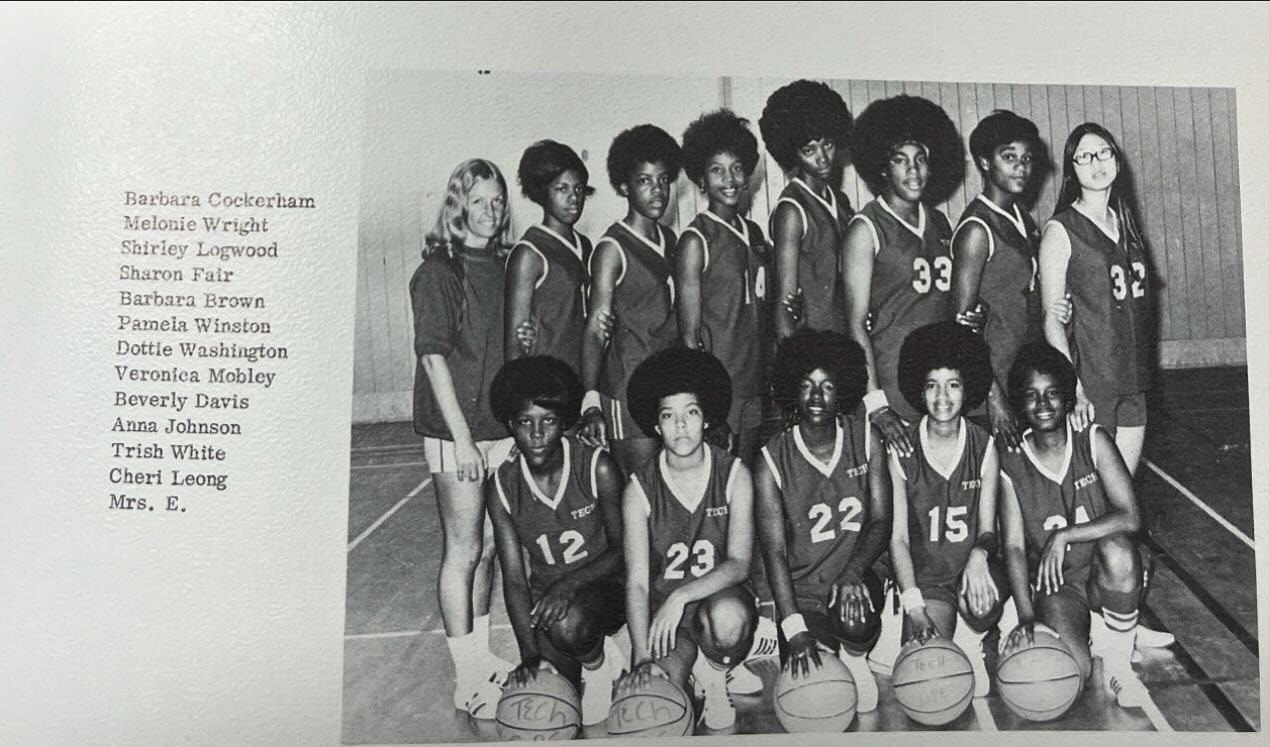
Do you ever see her around now?
Actually, I saw her at a Valkyries game! I saw her walking by, all of a sudden. And we chopped it up for a few minutes. She was telling me how, when we played against each other, we had some games. She could ball out. She probably would have went the same route as me, if she’d gone down to SoCal, too. I know she would have made the teams down there. Actually, she also tried out for the Pioneers. She didn’t make it, but she should have.
It seems like your mom really encouraged you to tell your own story. Have you been thinking about her recently?
Yes. My mom is really the catalyst. She used to say, “You need to be in there. I know what you did. I had you. I know it.”
Recently, I’ve been going through boxes of old photos. I have that little picture. Did I show you? That’s my favorite picture.
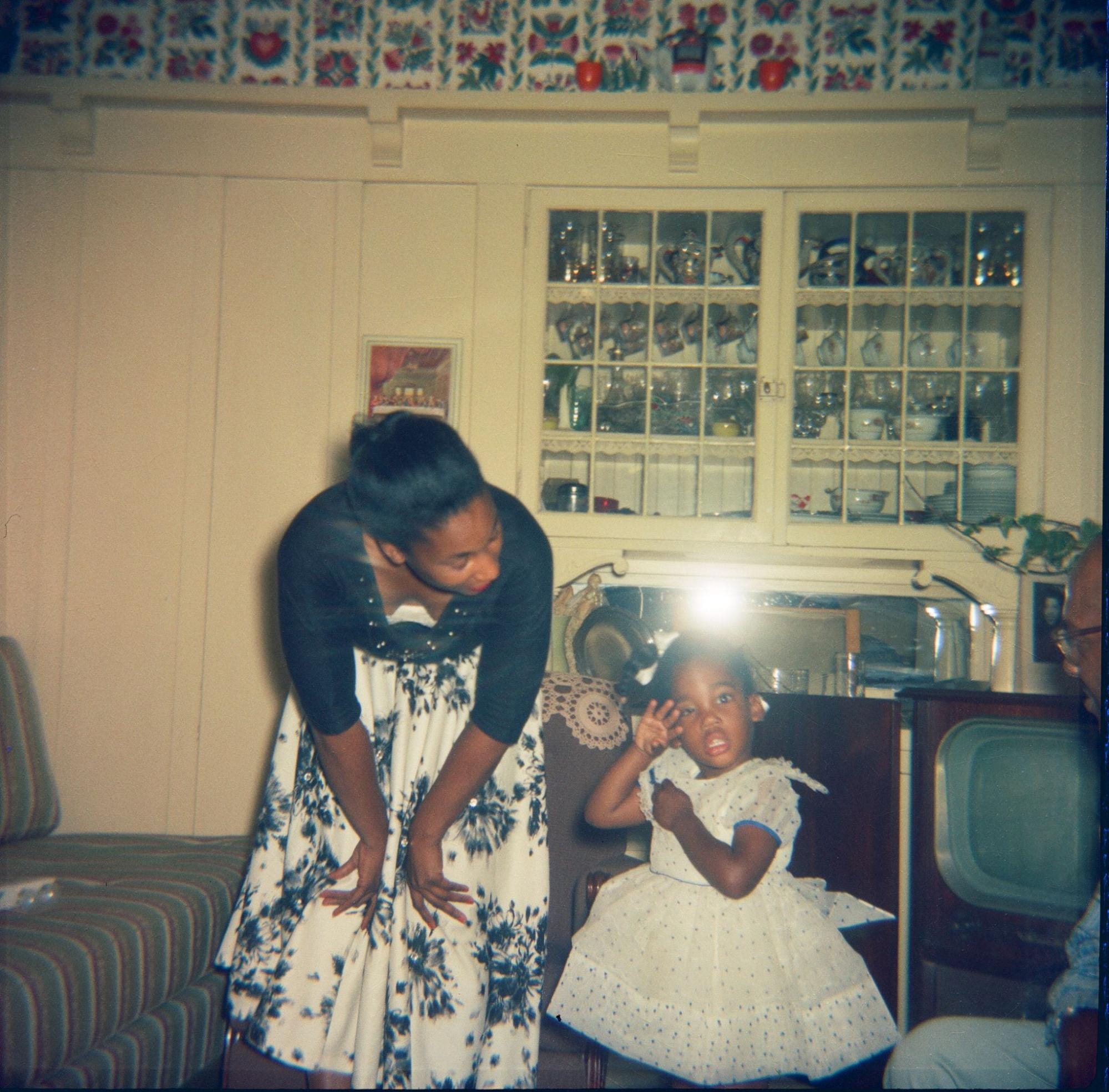
But I’ve also been looking for basketball photos. And I’m supposed to move into my mom’s house and rent my house out. But I’m conflicted. I love that house—that’s where I grew up. But it also feels hard. I still have a lot of her things there. So what do I discard and what do I keep?
But these days, when I talk to her, I’m like, “Mom, if you would see what I’m doing now, you’d probably fall on the floor.” She’d just be so happy for me, taking the torch. Just over the moon that I’m out there speaking, like the first story I did with you. Or the Sports on Prime documentary. It’s becoming a big deal.
But talking about myself can be hard. I’m a private person. I don’t normally talk about myself. I’m always advocating for somebody else, just to get them to push ahead.
I’m so glad your story is known. Growing up in Oakland, I was thrilled about the Valkyries, sure, but I also felt so desperate to not let basketball stories from here, long before the WNBA arrived, get lost. Like yours.
I appreciate that. I really do. Getting my story out there has helped me learn about myself. I think we all want to be great at what we do, sometimes to the point of being a perfectionist.
Is that how you think about yourself?
In playing and coaching, hell yeah! I’ve been a perfectionist. And sometimes it can torment you.
Has finally getting recognition helped to quiet that?
Yeah. It really has. My legacy is going to be known now, and that makes me feel good. What did I do in life? You know, I just didn’t sit on my behind.
I also think I’ve seen you get a lot more confident.
Too damn confident sometimes! But what’s key is that the audience really didn’t come around until the Valkyries got here, right. They opened the door. Then you stepped in. I stepped behind you. And that’s really how it came to fruition.
Now, walking into Ballhalla, we’re not going to be pushed away. It’s different now. We’re in it for the long game.
\O/
Maya Goldberg-Safir (she/her) was born and raised in Oakland, where she now lives. She is an independent writer and the creator of WNBA Rough Notes, where you can read more about the heart & soul of women's basketball, chronicle its evolutions, and follow the Bay Area’s own Golden State Valkyries.