The Place We Come Back To
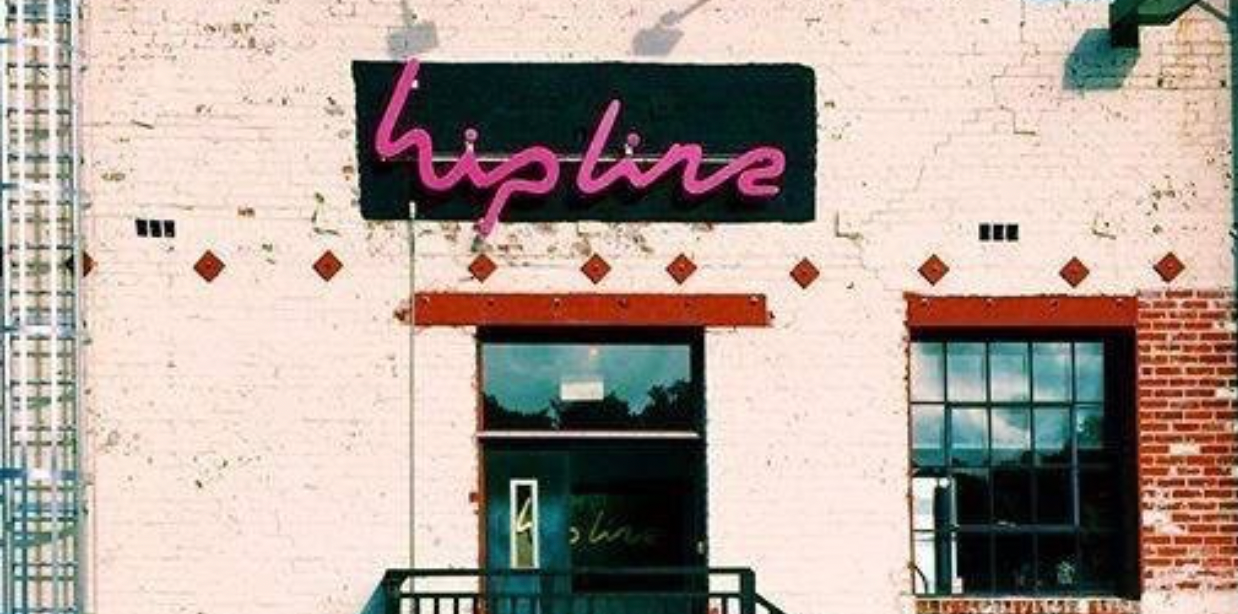
Hipline has sustained me for over a decade: through two pregnancies and post-partums, through diastasis recti, and a vestibular disorder and the Covid pandemic, when we danced in our living rooms and driveways and my four year old son would play with his dump truck while I twerked against the floor of our cluttered apartment. Along with hundreds of other people of “marginalized genders,” I have discovered that Hipline is a place where you can burn some calories, but also, you can know that if you stain the back of your pants with unexpected period blood while doing it, you will be applauded (and promptly handed a pad). Or when, not if, your peri-menipausal body leaks a small amount of urine while doing high kicks to Olivia Rodrigo, you will not be the only one. (In fact, now someone else is joking about having peed their pants and now everyone is laughing, which of course means more pee.)
What I'm saying is, Hipline is already a vibe, every single time. But on Saturday January 31st, the vibe added layers. On top of everything else that Hipline offers, we came to see a film, made by Hipliner (that’s what we devotees call ourselves, like Los Conejos to Bad Bunny) Julie Forrest Wyman, about her dwarfism, her family legacy of loneliness, her search to accept her own body.
We were first led in a movement exercise, a thing that you will never get from the Nicole Kidman's “We come to this place” theater welcome. We were told to make ourselves comfortable on couches and folding chairs and mats with foam rollers. We were invited to use whatever accommodations we needed to make our brains and bodies feel at home. This invitation choked an ADHD girl up, just a precursor to the buckets of tears I would pour out watching the film. No one was going to mind if I never stopped jiggling my leg in this movie, if I paced in the back, if I muttered very audible "mmhhhmms" when something moved me. Mask off, bitches.
Like thirty women crawling up a dance floor to "Drunk in Love" in unison, the film was stunning. We joined Julie as she navigated her place in the mystifying and arbitrary order of human bodies, witnessed the work of healing past traumas through art for a group of people who are constantly being reminded that their bodies are wrong. On screen, bodies were moving too: tracing one another on butcher paper, catwalking through a reconstruction of the medical facility where they spent their childhoods under the scrutiny of ableist doctors. Limbs were lengthened, whole body types were eradicated by scientific “progress.” In one moving scene, Julie and her father swam together and talked about living in in-between bodies – too big to be identified as dwarfs, too small to be seen as normal, their “short” legs kicking underwater.
In the studio, a large piece of paper on the wall asked, "what's unique about your brain or body" and we wrote about our hips and faces and breasts and social anxiety and lantern thinking (that one was me, obviously), sometimes with sadness, but more often with pride. I had been resisting coming to the screening – because processing art that you have no idea if you will like or not with a bunch of strangers is vulnerable and sometimes exhausting. Because middle school and a whole lot of internalized misogyny still makes me, even after all these years of Hiplining, wary of groups of women.
But I did like it – very much. And these weren't strangers, they were an artist who had invited us so deeply into her inner world that it felt like a treasure, a dance instructor asking us to raise our hands if we ever wished our bodies were different, the front desk assistant who watched my daughter in the childcare room while I danced way back in 2019, who waved to her when we all became squares on a computer, who hugged me when came back, cause we always come back, we always reach out, we only connect and build, we belong.